DIY Moving Tips: How to Pack Your Furniture Efficiently


Preparing Your Furniture for the Move
Moving can be a daunting task, especially when it comes to handling and packing your furniture. Proper preparation is key to ensuring everything arrives safely at your new home. Start by gathering the right supplies: moving blankets, bubble wrap, packing tape, and sturdy boxes. Having these materials ready will streamline the packing process and protect your items.
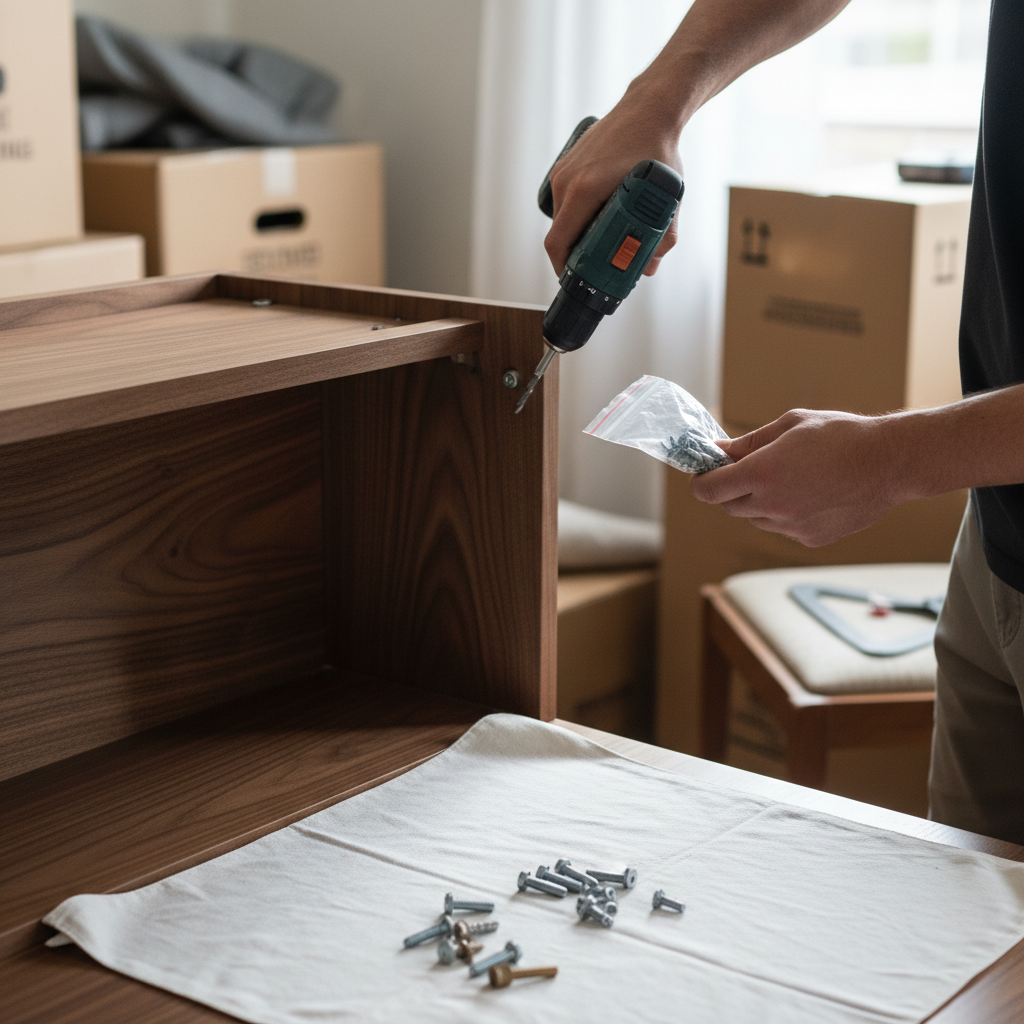
Before packing, consider disassembling large furniture pieces. This not only makes them easier to transport but also prevents damage. Label each piece and keep all screws and small parts in labeled bags. This will save you time and hassle when reassembling at your new location.
Wrapping and Protecting Furniture
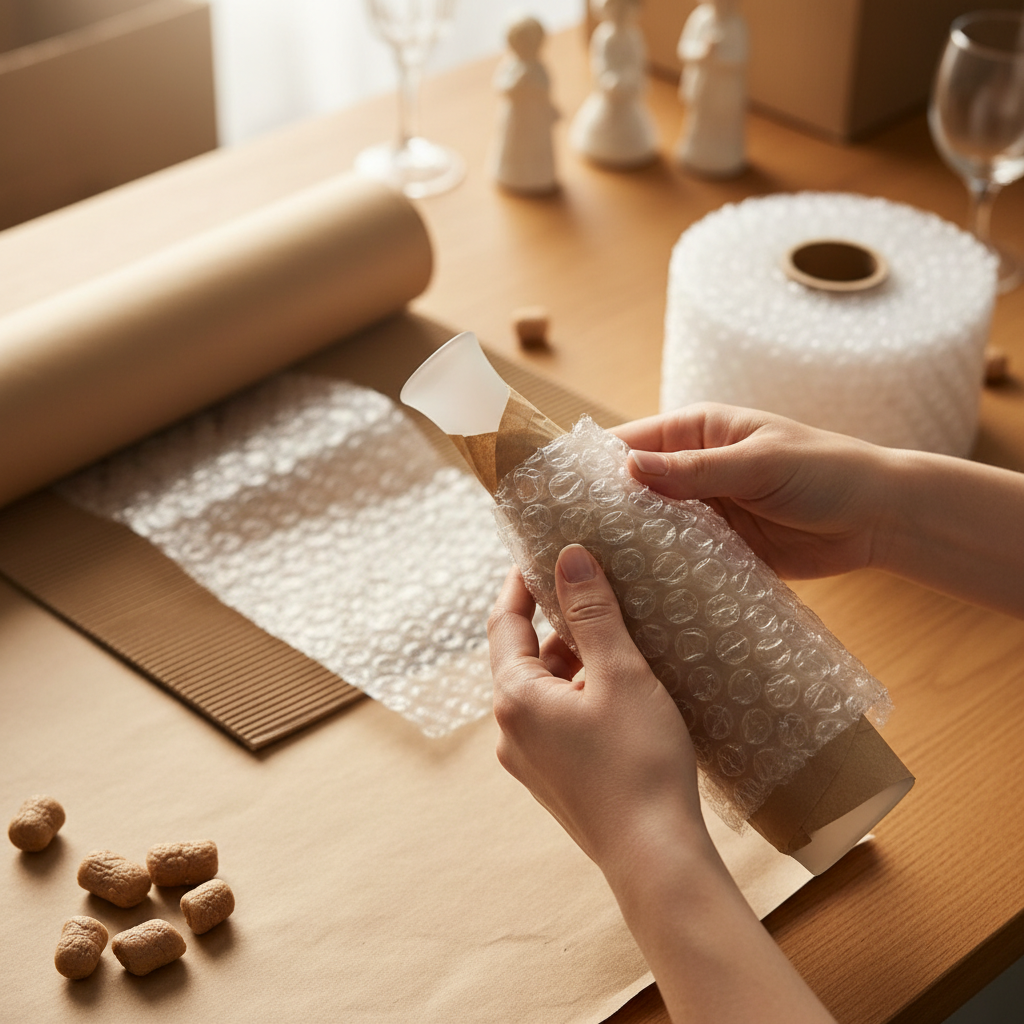
Once disassembled, wrap each piece in moving blankets or bubble wrap. This step is crucial for preventing scratches and dents. For delicate surfaces like glass or polished wood, use extra padding. Secure the wrapping with tape, but avoid sticking tape directly onto the furniture to prevent residue.
When dealing with upholstered furniture, consider using plastic wrap to shield it from dirt and moisture. Ensure that the wrap is snug but not too tight, as this can cause fabric distortion. Extra care should be taken with antique or valuable pieces, which may benefit from professional crating.
Packing Small and Fragile Items
For smaller items such as lamps, mirrors, or glass tabletops, pack them separately in appropriately sized boxes. Use packing paper or foam peanuts to fill any gaps and prevent movement during transit. Clearly label these boxes as "Fragile" to ensure they are handled with care.
It's also a good idea to pack heavier items at the bottom of the box and lighter ones on top. This ensures stability and reduces the risk of breakage. For items like lamps, remove the bulbs and pack them separately to prevent damage.
Loading the Moving Truck
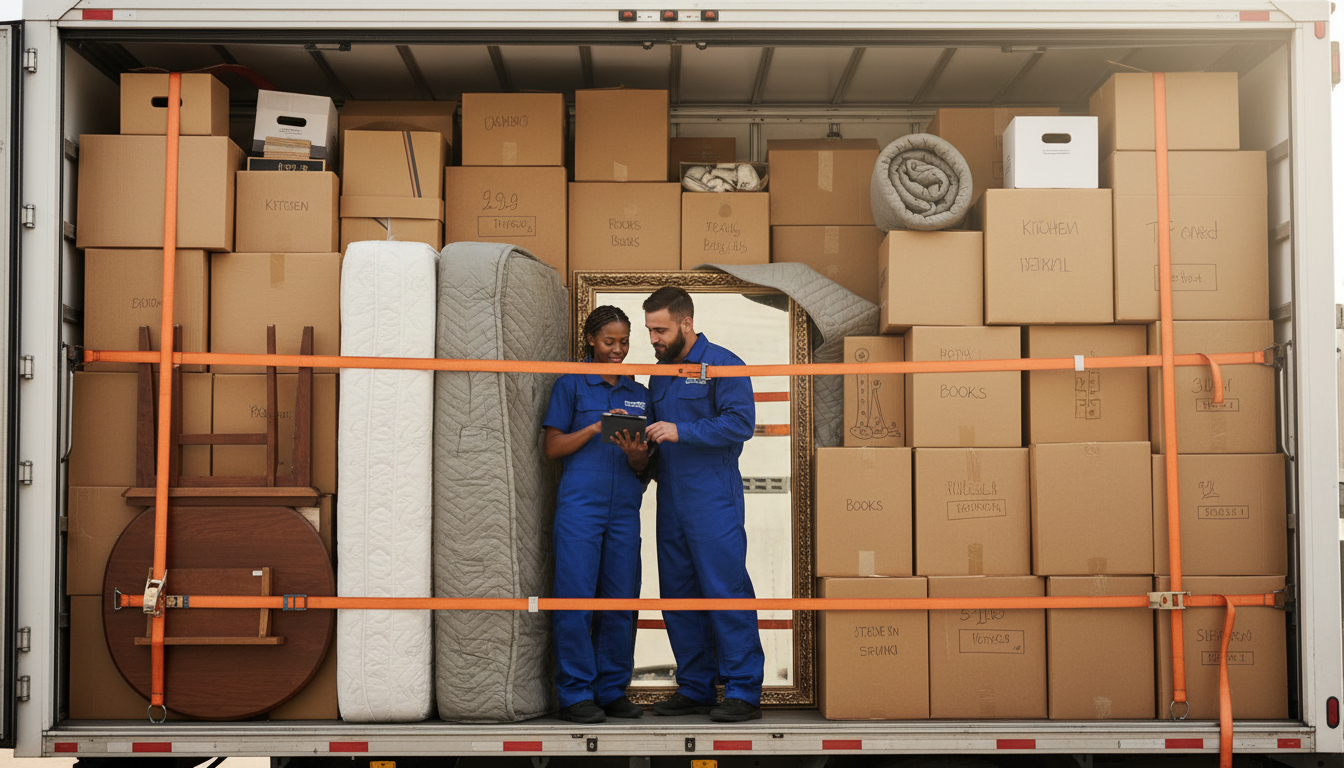
When it's time to load the moving truck, start with the largest and heaviest items. Place furniture and large boxes on the bottom and lighter boxes on top. This helps maintain balance and prevents items from shifting during transport.
Utilize straps and ropes to secure furniture and boxes in place. This is especially important for long-distance moves where the load may shift during travel. Ensuring everything is tightly packed will make unloading at your new home much smoother.
Final Tips for a Smooth Move
Before you start packing, create a detailed inventory of your furniture to track everything during the move. This list will be invaluable in case anything goes missing or gets damaged. Additionally, make sure to have a clear pathway for moving furniture out of your home to prevent accidents.
Lastly, consider enlisting the help of friends or family. Having extra hands on deck can make the process quicker and more efficient. Remember, a little planning goes a long way in ensuring your DIY move is as stress-free as possible.