DIY Tips for Safely Moving Furniture Without Professional Help


Preparing for the Move
Moving furniture can be a daunting task, especially without professional help. However, with proper preparation, you can ensure a smooth and safe process. Start by assessing the furniture you plan to move. Determine the size, weight, and any detachable parts. This will help you decide the best approach for moving each piece.
Before you begin, make sure you have the necessary supplies, such as moving blankets, straps, and a dolly. These tools can significantly ease the process and protect both your furniture and your home from damage.

Disassembling Furniture
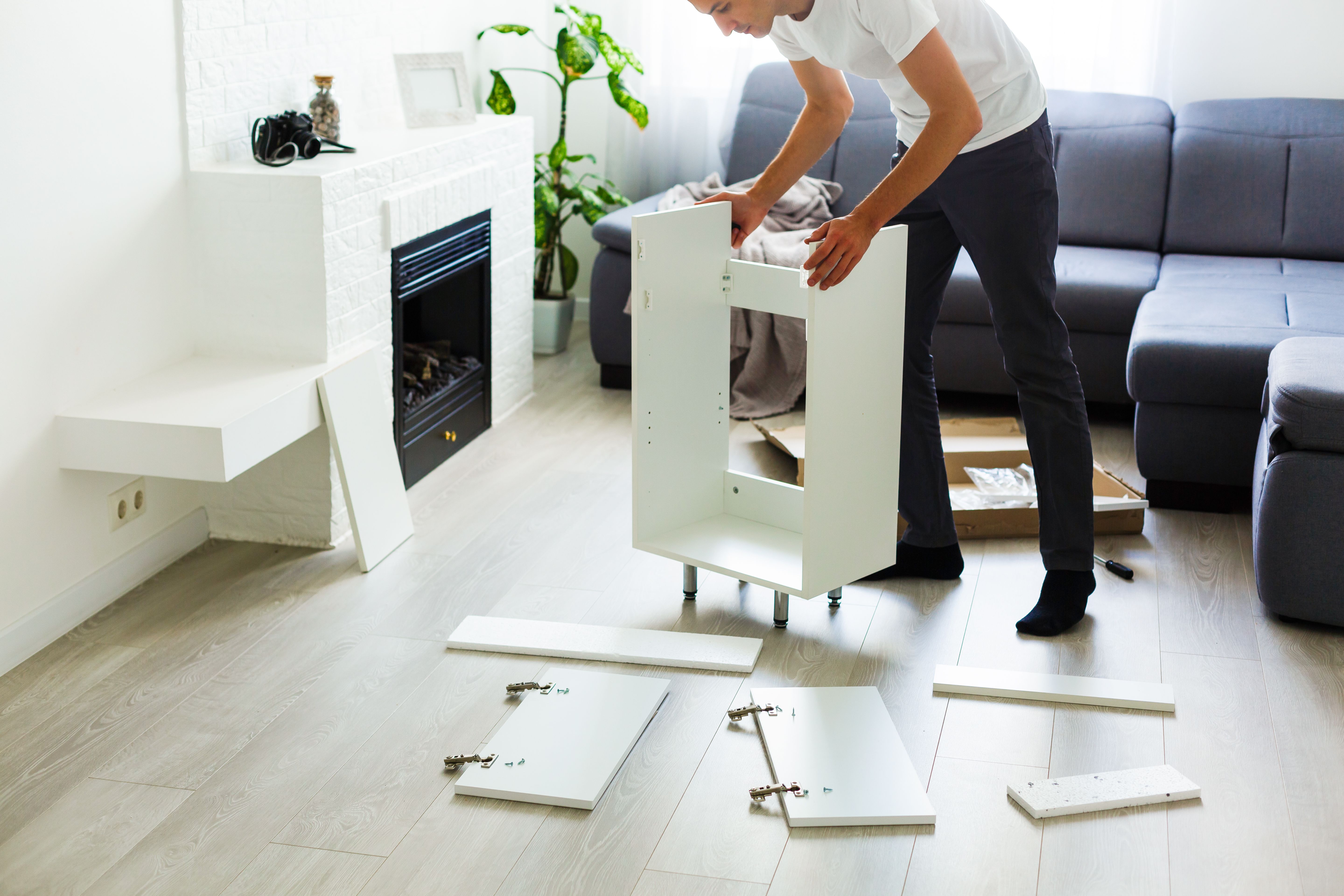
Whenever possible, disassemble large furniture pieces. Removing legs, cushions, or any detachable parts will make items lighter and easier to handle. Keep track of all screws and small parts by placing them in labeled bags. This will save you time and frustration when reassembling your furniture later.
If you're unsure how to disassemble certain pieces, consult the manufacturer's instructions or look for online guides. Proper disassembly can prevent unnecessary damage and make the moving process more efficient.
Ensuring Safety During the Move
Safety should be your top priority when moving furniture. Start by wearing appropriate clothing and footwear to prevent injuries. Enlist the help of friends or family members to share the load. Remember to lift with your legs, not your back, to avoid strain.
Use moving straps or a dolly to help transport heavy items. These tools can reduce the physical burden and provide more stability. Always communicate with your moving partners to coordinate lifts and movements effectively.

Protecting Your Home and Furniture
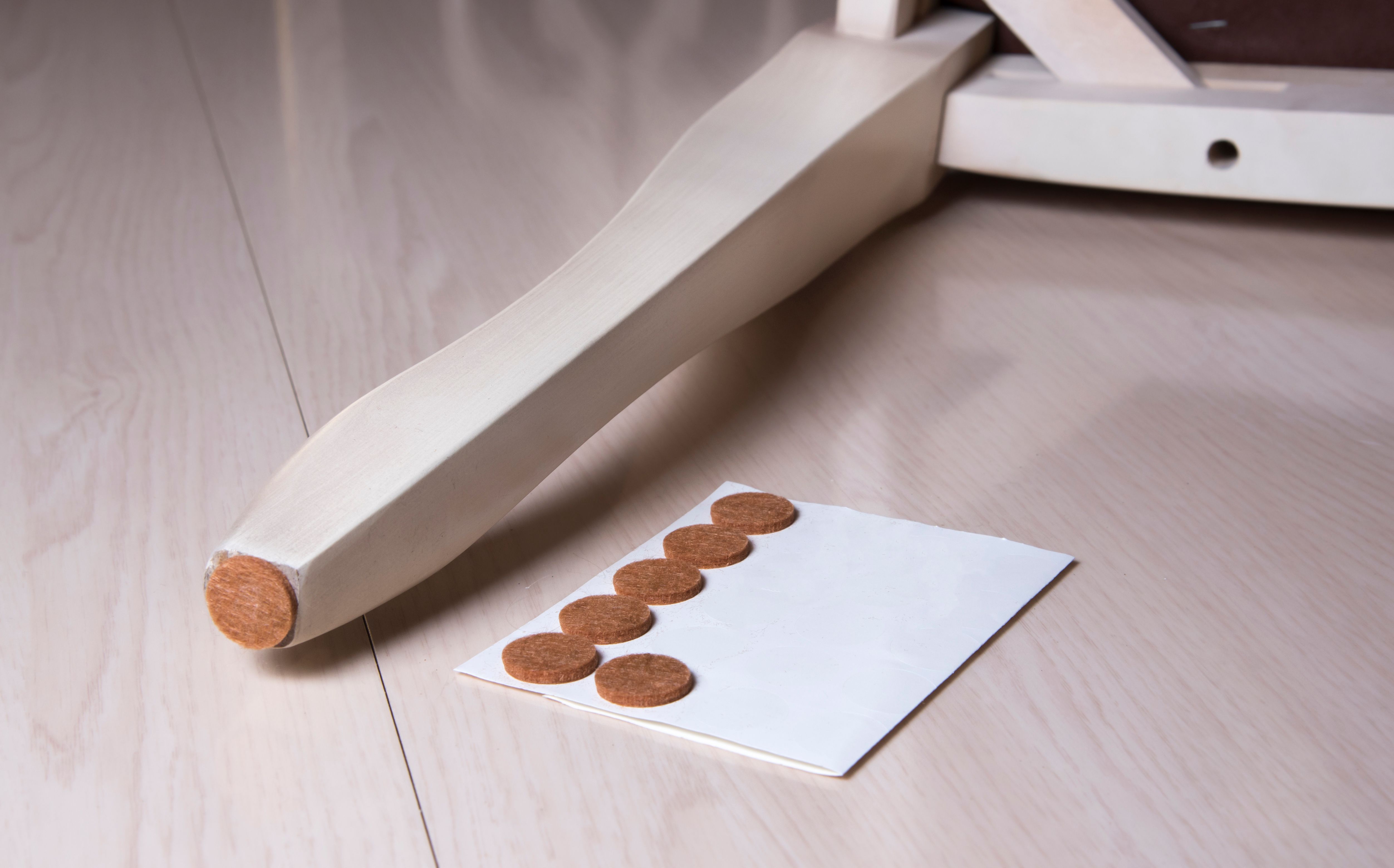
Prevent scratches and dents by covering furniture with moving blankets or padding. Secure these coverings with straps or tape to keep them in place during transport. Additionally, protect your floors by placing cardboard or plastic sheeting along the moving path.
For narrow doorways and tight corners, take measurements in advance to ensure your furniture can pass through without issue. If necessary, remove doors from their hinges to create more space.
Loading and Transporting
When loading furniture onto a moving truck, start with the heaviest items first to create a stable base. Use straps to secure items in place and prevent shifting during transit. Place lighter, more fragile items on top, cushioning them with soft materials.
Take your time when driving, especially around corners and over bumps. A steady pace will minimize the risk of damage to your belongings.

Reassembling and Arranging
Once you've reached your destination, carefully unload and reassemble your furniture. Refer to your labeled bags for screws and parts to make the process smoother. Take care to arrange your furniture in its new space thoughtfully, considering both functionality and aesthetics.
By following these DIY tips, you can move your furniture safely and efficiently, saving money and ensuring your belongings remain intact throughout the process.