How to Safely Pack and Move Fragile Furniture


Preparing Your Materials
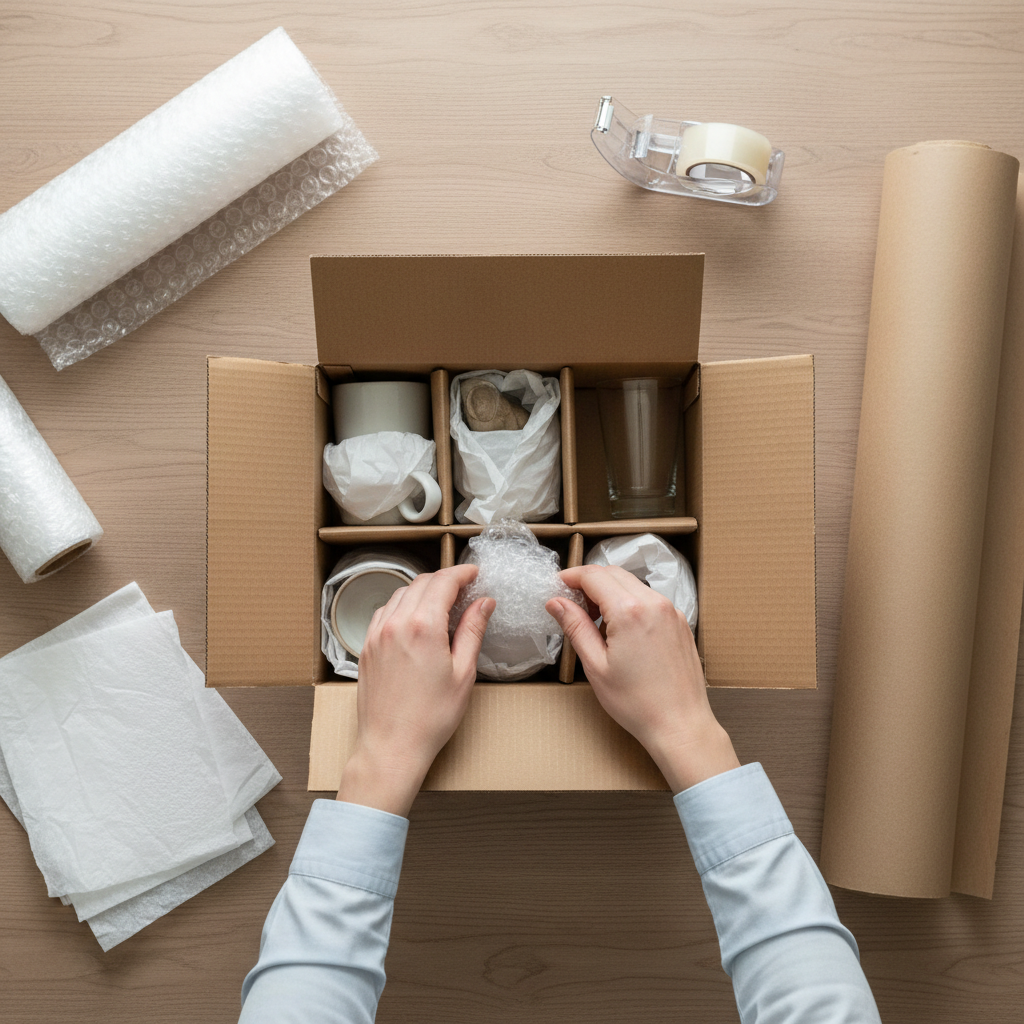
Packing and moving fragile furniture requires careful planning and the right materials. Start by gathering strong packing supplies such as bubble wrap, packing paper, and sturdy boxes. Ensure you have packing tape and markers for labeling. Invest in quality materials to provide the best protection for your items.
Consider purchasing furniture pads or moving blankets for extra cushioning. These can be particularly useful for larger items that need more than just bubble wrap. Additionally, having a dolly or hand truck on hand can make the moving process smoother.
Disassembling Furniture
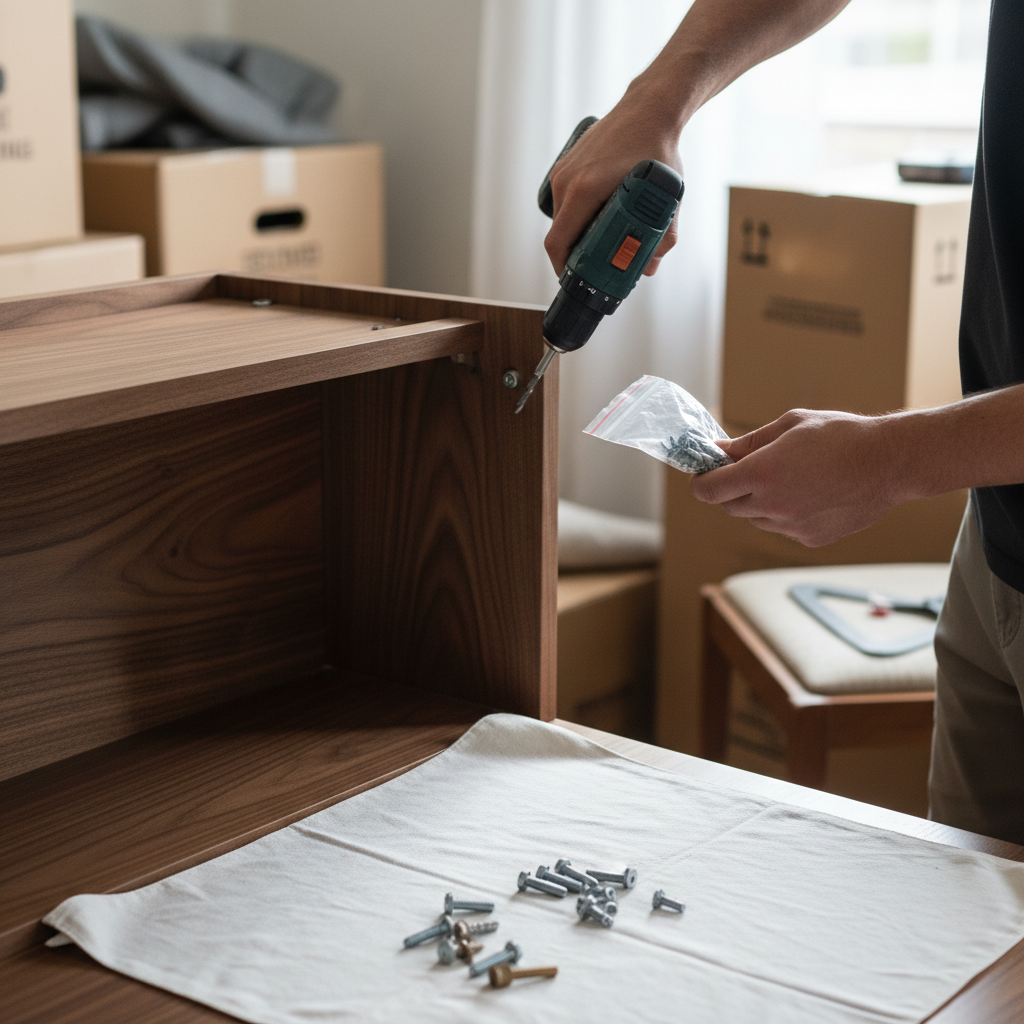
Whenever possible, disassemble fragile furniture to make it easier to pack and transport. Remove legs from tables, take apart shelves, and detach any removable parts. Keep screws and small parts in labeled plastic bags, and tape these to the corresponding furniture pieces.
Careful disassembly not only facilitates easier handling but also minimizes the risk of damage. Follow the manufacturer’s guidelines if available, and take photos during the process to help with reassembly later.
Wrapping and Packing Techniques
Using Bubble Wrap and Packing Paper
Wrap each piece of disassembled furniture in bubble wrap, focusing on corners and edges. Use packing paper for additional protection, especially for glass or mirrored surfaces. Secure the wrapping with packing tape, but avoid applying tape directly to the furniture to prevent damage.
Boxing Smaller Items
For smaller fragile pieces, place them in sturdy boxes lined with packing paper. Fill any empty spaces with additional paper or foam peanuts to prevent movement during transit. Clearly label each box with "Fragile" and the contents for easy identification.
Loading and Transporting
When loading the moving truck, place heavier items on the bottom and lighter, fragile items on top. Use furniture pads or blankets to separate items and prevent friction. Secure everything with straps to minimize shifting during transport.
It’s crucial to handle each piece with care. Enlist help if needed to ensure that larger or heavier items are moved safely. A well-organized loading process reduces the risk of accidents and damage.

Unpacking and Reassembling
Upon arrival at your new location, carefully unpack each item, checking for any damage. Use the photos and labeled bags to assist with reassembly. Take your time to ensure each piece is reassembled correctly and securely.
Dispose of packing materials responsibly, recycling where possible. By following these steps, you can ensure that your fragile furniture arrives safely and is ready to enhance your new home.